
Programs

FLATS MENTOR FARM

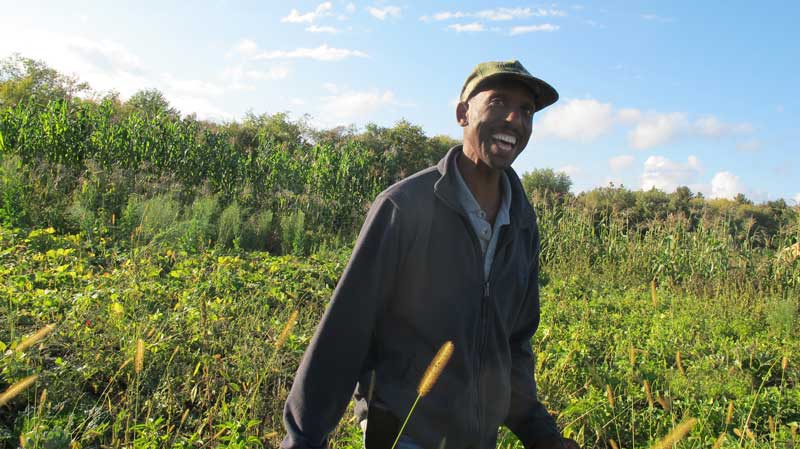
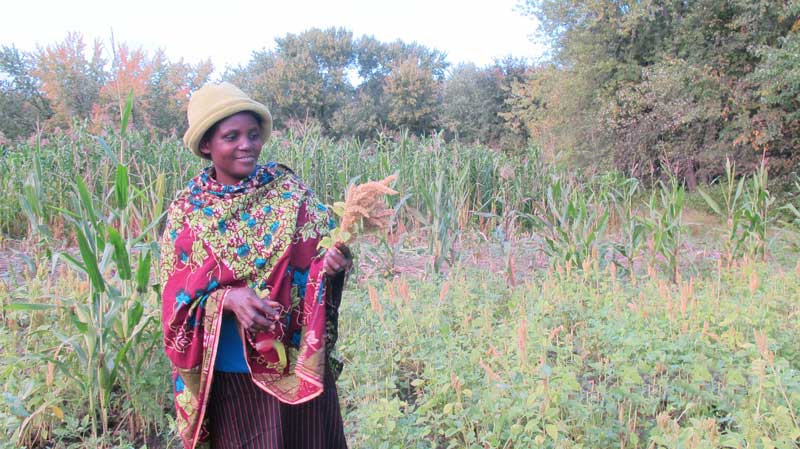
The Flats Mentor Farm (FMF, or The Flats) is located on a 70-acre river bottom parcel of land in Lancaster, Massachusetts. FMF assists and supports small farmers of diverse ethnic backgrounds with the land, farming infrastructure and marketing assistance needed to promote and sustain successful farming enterprises. FMF promotes economically viable agricultural production that protects the environment through the practice of sustainable farming methods. With the help of a farm manager, sustainability coordinator, and the entire World Farmers team, farmers at the Flats have access to shared and individual resources, as well as hands-on-training and technical assistance on soil fertility, irrigation, pest and weed management, and marketing.

Immigrant and refugee farmers have been farming at this location since 1985. In 2005, after many trials and tribulations, the farmers formally organized to become Flats Mentor Farm. Since then, with the support of Heifer International, the University of Massachusetts Amherst, the Society for the Promotion of Agriculture, the USDA, and many others, the farmers at FMF have evolved from growing enough for their immediate and extended families to selling their produce at farmers’ markets and throughout cooperative wholesales across the state. The number of farmers selling at these markets have increased each year, from just 6 farmers markets in 2005 to 40 in 2017.
NEW_FMFLOGO_800

THE MENTORSHIP PROGRAM

World Farmers employs a structured five-phase farmer development model designed to support immigrant and refugee farmers from initial desire to enter into our program to full independent farmer. This process ensures that farmers receive the resources, mentorship, and training they need to thrive at each stage of their journey, and to join our agricultural community.

Phase I – First Year & Subsistence Farmers

This is the next step in their farm development. Farmers who decide to scale up by expanding their land base enter into Phase II. Farmers in this phase participate in peer-to-peer learning through farmer exchanges, and have access to targeted trainings thus building their capacity for larger-scale production. Farmers review their increased land and develop production plans, as well as a plan for the use of the crops as the result in land increase.

Phase II – Increased Land & Production Farmers

This is the next step in their farm development. Farmers who decide to scale up by expanding their land base enter into Phase II. Farmers in this phase participate in peer-to-peer learning through farmer exchanges, and have access to targeted trainings thus building their capacity for larger-scale production. Farmers review their increased land and develop production plans, as well as a plan for the use of the crops as the result in land increase.

Phase III – Market-Ready Farmers

Farmers begin exploring marketing and sales, usually beginning within their own cultural communities. Farmers are also supported in crop planning and recordkeeping, and receive technical assistance in crop quality, safe harvest and post-harvest handling and introductions to local mainstream markets by World Farmers. This phase marks the shift from household production to entry-level marketing and business development.

Phase IV – Commercial Farmers

Farmers in this phase have gained the skills and training necessary to operate their own farm businesses. They possess the financial literacy required to secure farm ownership and equipment loans. While independent in many aspects, these farmers continue to access World Farmers’ mentorship and resources as they expand into new markets and strengthen their operations.

Phase V – Independent Farmers

Farmers in this phase are independent operators, managing their own land or demonstrating the capacity to do so. Farmers in this phase may continue to benefit from World Farmers’ technical assistance, market access support, and connections to external networks. World Farmers’ role shifts from direct management to long-term partnership, ensuring these farmers remain part of a supportive agricultural ecosystem.